




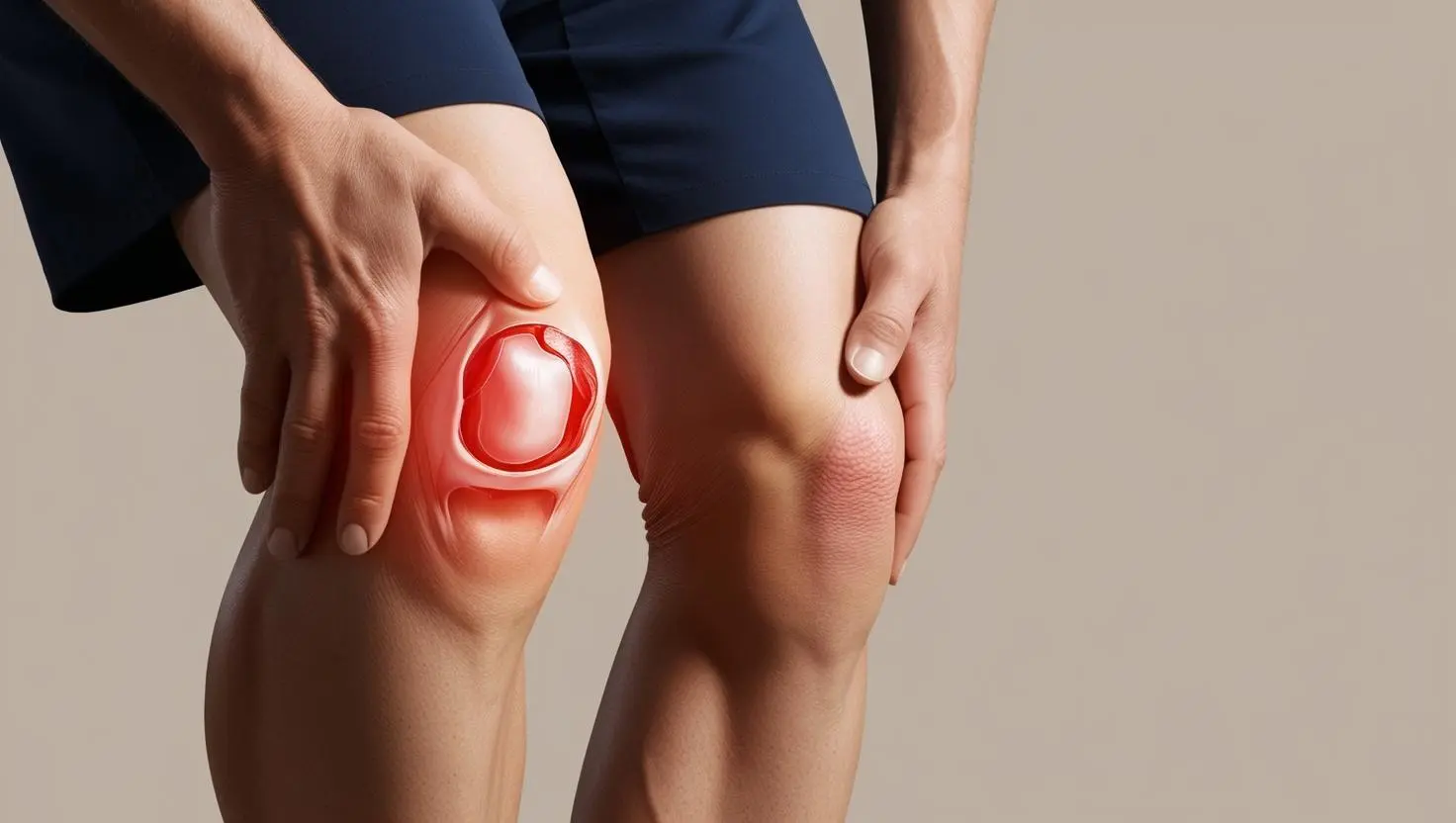
The knee is the largest and one of the most stressed joints in the human body. It withstands immense loads daily, supports our every step, enables us to stand upright, sit, run, climb stairs, and execute almost every functional movement. Therefore, when knee pain appears, the quality of daily life decreases directly and noticeably, while an underlying problem is often hidden that requires immediate evaluation by a specialized Orthopedic Surgeon.
As an Orthopedic Surgeon, I treat patients of all ages with knee pain on a daily basis, from young athletes to elderly individuals with advanced wear. Through this comprehensive guide, I want to explain to you with clarity and scientific accuracy what lies behind the pain, how a correct diagnosis is made, and what the modern, effective solutions are that can permanently relieve you from it. The goal of this guide is to keep you responsibly informed and to help you make the right decisions for your health. My experience from thousands of cases has shown that the majority of patients delay visiting a specialized doctor, hoping that the pain will subside on its own. Unfortunately, in many cases, this delay worsens the initial problem and complicates treatment. Modern Orthopedic science possesses excellent diagnostic and treatment tools, which, when applied early, lead to the best possible results. Staying informed is your first and most important step in addressing the problem.
What is Knee Pain and why we should not ignore it
Knee pain is not a diagnosis, but a symptom. It is our body’s way of warning us that something in the function of the joint is not going well. The knee joint is an exceptionally complex anatomical structure, which includes three bones (femur, tibia, patella), two articular cartilages covering the bone surfaces, two menisci (medial and lateral), four primary ligaments (anterior and posterior cruciate, medial and lateral collateral), and a complex system of tendons, muscles, and synovial membrane. Damage to any of these structures can manifest as pain, presenting with different characteristics each time. Ignoring the problem and continuing activities with symptoms often leads to worsening and secondary damage, such as the premature onset of arthritis, muscle atrophy, and a permanent reduction in functionality. Timely medical evaluation is, therefore, crucial.
The Most Common Causes of Knee Pain
The etiology of knee pain can be traumatic (following a fall, sports injury, or accident) or degenerative/chronic (from progressive wear, overuse, or normal aging of tissues). In my practice, most patients fall into one of the following categories.
Traumatic Injuries
- Meniscus tear: This is one of the most common reasons for a visit. It manifests with pain on the inner or outer part of the knee, edema (swelling), a sensation of the joint “locking,” and difficulty with full flexion or extension. More information about meniscus tears and their modern management.
- Anterior Cruciate Ligament (ACL) tear: This usually occurs in sports injuries involving a twisting motion. The patient often hears a characteristic “pop” followed immediately by intense pain, significant swelling, and a feeling of instability. See in detail about anterior cruciate ligament tears and modern therapeutic options.
- Collateral ligament injury: Caused by a lateral impact or distortion of the knee, presenting with pain on the inner or outer part of the joint.
- Fractures: Occurring in the patella, tibia, or femur following a severe fall or high-energy injury.
- Patellar dislocation: This happens in young individuals with loose tissue composition or after a violent twisting motion.
Degenerative and Chronic Causes
- Knee osteoarthritis: The degenerative wear of the articular cartilage, which primarily appears in people over 50 years old. It causes chronic pain, morning stiffness, crepitus, and progressive deformity of the limb. Read more about knee arthritis and the therapeutic options for each stage.
- Tendinitis (patellar – iliotibial band): Frequently appears in runners, cyclists, and trainees due to overuse. The pain is localized below the patella or on the outer part of the knee.
- Patellar chondropathy (Chondromalacia patellae): This involves wear of the cartilage of the patella, which causes pain in the front section of the knee, particularly when the patient climbs or descends stairs, or sits for a long time (“theater sign”).
- Articular cartilage lesions: These can result from an injury or progressive wear, leading to localized pain and swelling.
- Bursitis: Inflammation of the prepatellar or anserine bursa, manifesting with local pain and swelling.
- Inflammatory arthritis: Such as rheumatoid arthritis or gouty arthritis, which causes diffuse pain, redness, and warmth in the area.


