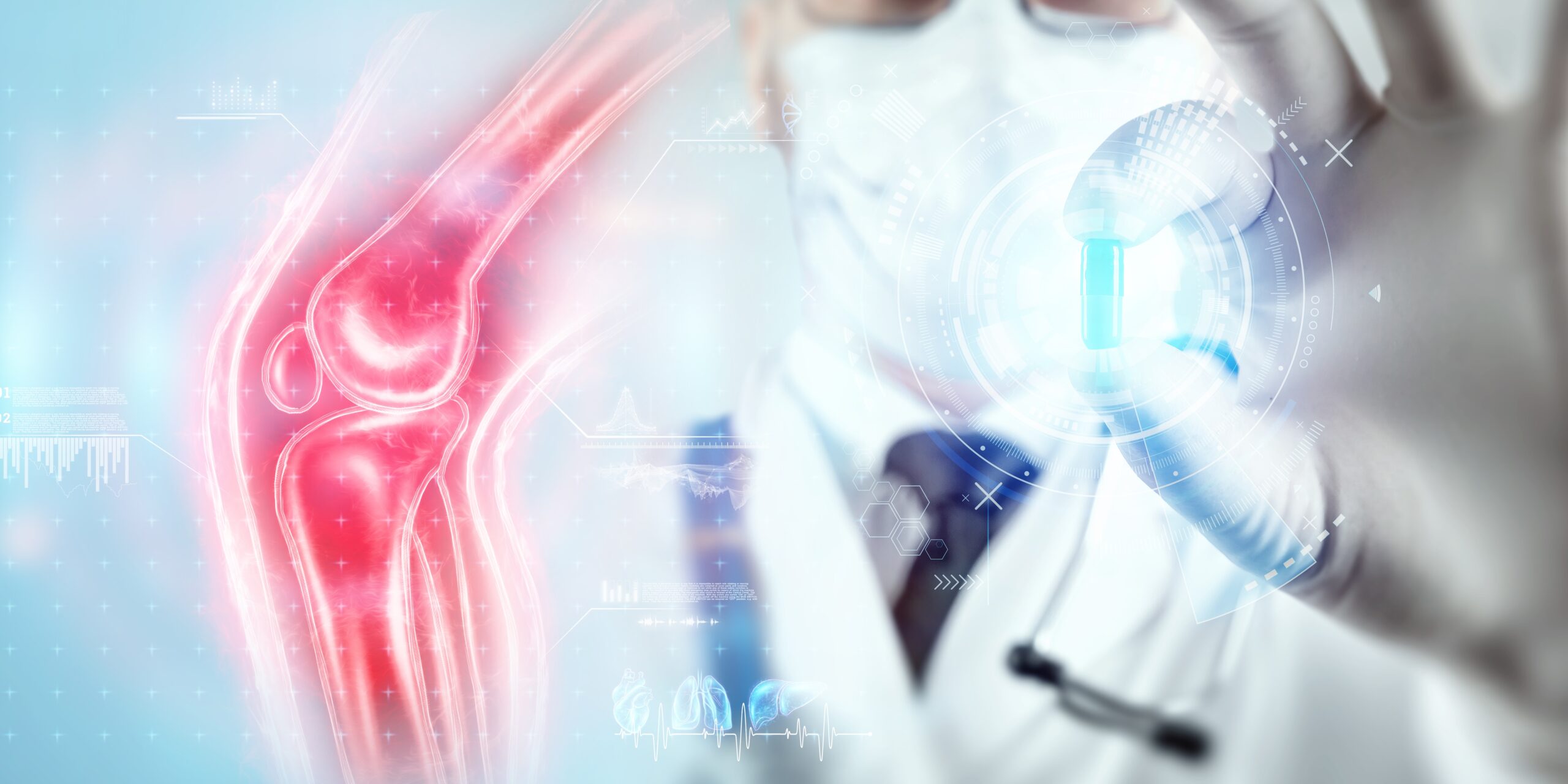
Αναγεννητική Ιατρική

Regenerative Medicine

ΠΕΡΙΕΧΟΜΕΝΑ

The purpose of regenerative medicine is to utilize only non-invasive or biological treatments to heal symptoms of pain and inflammation from a variety of traumatic and degenerative conditions of the musculoskeletal system, as well as to possess the capacity to significantly enhance their healing.

What is regenerative medicine?

Regenerative medicine treatments, otherwise known as orthobiologics, utilize physiological tissues found within the human body, such as blood, fat, or bone marrow.

For the most part, this type of treatment uses the patient’s own tissue to treat an injury. (This is called “autologous” regenerative medicine.) These treatments are completely safe and harmless for the patient, as they originate from the cells of the individual themselves.

Ο μόνος Ορθοπαιδικός στην Ελλάδα στην χειρουργική ώμου και άνω άκρου με προϋπηρεσία μόνιμης διευθυντικής θέσης (substantive Consultant ) για 10 συναπτά έτη στην Μεγάλη Βρετανία

What is the benefit of regenerative medicine?

Regenerative orthopedics can improve pain significantly and enhance the healing of many sports injuries and traumas, such as severe tendon/ligament injuries or tears, bone injury and edema, muscle tears, herniated discs, meniscus tears, cartilage tears, or tears of other tissues.

The injuries mentioned above do not possess a good capacity to heal on their own. The goal of regenerative medicine is to help these tissues heal better while simultaneously reducing pain and inflammation significantly, so that rehabilitation can begin rapidly and yield optimal results.

These treatments can, of course, also be used to manage degenerative conditions, such as various types of arthritis.

Regenerative medicine can help certain patients avoid surgical intervention entirely or significantly delay any surgical treatment.

Conditions commonly treated with regenerative medicine include:

  • Osteoarthritis and joint pain
  • Tendinitis
  • Degenerative disc disease of the spine
  • Bone fractures that do not heal properly (nonunions)
  • Cartilage injuries
  • Muscle tears in athletes
  • Meniscus tears
  • Labral tears in the hip and shoulder
  • Ankle and knee ligament sprains or tears
  • Partial tendon tears
  • Nerve inflammation
  • Plantar fasciitis

Regenerative medicine can also help shorten and enhance the recovery process after common operations, such as most arthroscopic repairs or ligament and tendon reconstructions around the knee, hip, and shoulder.

What is the process of regenerative medicine?

Samples of a patient’s own body tissue (or in some cases, a donor’s) are collected and concentrated to produce a solution that is subsequently injected into the patient.

Scientific research demonstrates that these preparations contain not only cells that signal or “call” other cells to gather at the site of the injury to assist in healing, but also numerous proteins and growth factors that alleviate inflammation and pain.

How are the “injectables” in regenerative medicine prepared?

The tissue sample (blood, bone marrow, or fat) will be aspirated through a specialized syringe and will then be “spun” in a centrifuge and concentrated. This contains cells and biological tools that assist in the healing of injuries.

What are the different types of regenerative medicine?

Regenerative medicine treatments include:

  • Injectable Platelet-Rich Plasma
  • Cellular therapies such as:
    • Bone marrow therapy (also known as bone marrow aspirate concentrate or BMAC)
    • Cellular therapy

Platelet-Rich Plasma Therapy

This is produced from a small sample of a person’s blood (10-15 mls). The blood is centrifuged (spun) to isolate and concentrate the platelets to a higher concentration than normal.

Platelets are the blood cells that assist in the natural healing processes of tissues.

These platelets, along with a fluid portion of the blood called plasma, are then injected back into the same patient at the site of the injury or inflammation. The injection contains a number of proteins and growth factors that can potentially reduce inflammation, decrease pain, and improve tissue healing. It has been used for many soft tissue injuries, including those to ligaments, tendons, cartilage, and muscles. As with all autologous regenerative medications, it is completely safe and has no side effects, as it is a treatment derived from the patient’s own blood.

Cellular Therapies

Other cellular therapies work in a similar fashion but involve other types of human cells.

  • Bone Marrow Aspirate Concentrate (BMAC, which is also known as “bone marrow therapy”) is the treatment produced from bone marrow cells. Bone marrow is typically collected from the patient’s iliac crest of the pelvis.
  • Adipose tissue therapy utilizes fat cells obtained from a person’s abdomen or thigh. (This process is completely unrelated to liposuction or other cosmetic surgical procedures performed by plastic surgeons.)
  • Other cellular therapies are derived from cells in placental or amniotic tissue. Some scientific studies indicate that these types of cellular injections may improve the symptoms of various musculoskeletal conditions. The exact mechanism is not entirely clear. It may stem from anti-inflammatory chemicals produced by these specific cells rather than from the cells themselves.

What is the difference between Platelet-Rich Plasma injection and BMAC?

The process is similar, but it differs regarding the type of body tissue from which the samples are taken. In the case of Platelet-Rich Plasma injection, a sample of the patient’s blood will be drawn without requiring any anesthetic. For BMAC, the sample is taken from the iliac bone of the pelvis using a needle. This requires a local anesthetic.

Can plasma injection or cellular therapies regenerate cartilage, tendons, or muscles?

The latest scientific studies in literature remain quite limited and have not yet proven whether musculoskeletal tissues can be regenerated with a direct injectable mixture of platelets, BMAC, or adipose tissue.

Nevertheless, specific data show that the mixtures contain not only cells that signal or “call” other cells to gather at the injury site to assist in healing, but also many proteins as well as growth factors that alleviate the inflammatory process and symptoms of pain.

Who should receive regenerative medicine treatment?

This depends on each individual patient as well as their specific condition. To evaluate whether you are a good candidate for a regenerative medicine procedure, you should visit Mr. Polyzois for a specialized medical history, a thorough examination, and an evaluation of your symptoms.

Which regenerative medicine procedure is best for the patient?

Although all regenerative and cellular regenerative medicine treatments have been shown to improve symptoms in patients with a variety of musculoskeletal conditions, there is limited research regarding which treatment is best for each individual patient.

Mr. Polyzois, with the extensive experience he possesses, will evaluate your symptoms and the present clinical picture of each patient to recommend the most appropriate and individualized treatment for your condition.

How long does the injection take?

If you are receiving a platelet injection, the entire process usually takes about 15-20 minutes. For cellular therapies, the process can last from one to one and a half hours.

What is the recovery time?

Most patients are able to resume their normal daily activities within 24 hours after the treatment and are usually able to resume strenuous exercise a few weeks following the therapy. However, every case is different.

How much does regenerative medicine cost?

The total cost of the procedure is quite affordable and varies depending on the type of treatment.

Do not hesitate to contact Physician Ioannis Polyzois for an appointment to provide a definitive solution to your problem.

Η κIνηση εIναι ζωH!

Επικοινωνήστε με τον γιατρό για εξειδικευμένη ορθοπαιδική φροντίδα, προσαρμοσμένη στις ανάγκες σας

Συχνές ερωτήσεις

How many sessions of regenerative therapy are usually required?

The number of sessions depends on the nature and severity of the condition. In some cases, a single session is sufficient, while in others, repeated applications may be required.

When do the results of the treatment begin to appear?

The first results usually appear gradually within a few weeks, as the body’s natural healing mechanisms are activated.

Is the process painful?

Most treatments are well-tolerated. There may be mild discomfort at the injection site, which subsides shortly.

Are there restrictions after treatment?

It is usually recommended to avoid intense physical activity for 2-4 weeks to allow the body to initiate the healing process without strain.

Can regenerative medicine be combined with physical therapy?

Of course, and in fact, this combination is considered highly beneficial, as it helps achieve optimal restoration of functionality in the affected area.