
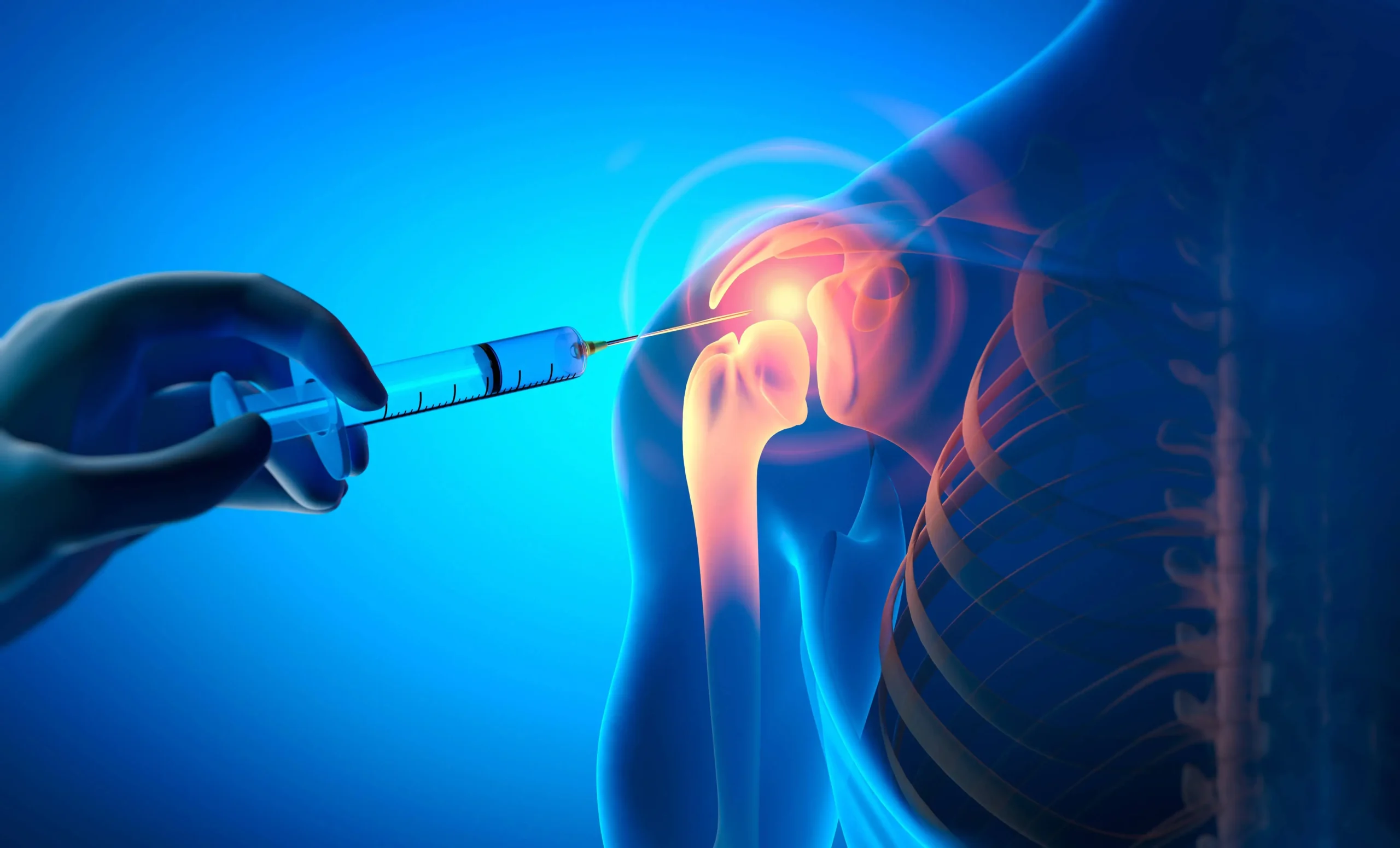
Platelet-Rich Plasma (PRP) Injection

ΠΕΡΙΕΧΟΜΕΝΑ

Platelet-Rich Plasma (PRP) Treatment

The healing of bone, soft tissue, and overall tissue injuries involves multiple stages of treatment. One of the most fascinating fields of research in orthopedic surgery and sports medicine involves making the most out of the initial stages of healing: inflammation and cell growth or proliferation. Injectable Platelet-Rich Plasma (PRP) therapy is becoming increasingly popular to provide a biological boost to the healing process, as well as to reduce initial inflammation and pain.

Ο μόνος Ορθοπαιδικός στην Ελλάδα στην χειρουργική ώμου και άνω άκρου με προϋπηρεσία μόνιμης διευθυντικής θέσης (substantive Consultant ) για 10 συναπτά έτη στην Μεγάλη Βρετανία

What is a Platelet-Rich Plasma (PRP) injection?

Plasma is produced from each patient’s blood. The well-known blood cells called platelets are critical and regulate blood clotting. Platelets and the liquid plasma component of the blood contain numerous growth factors that are essential for cell recruitment, proliferation, and specialization required for healing.

After a blood sample is drawn from a patient, the blood is placed in a centrifuge, which is a tool that separates the blood from its many components. The platelet-rich plasma can then be collected and injected into an injured area, such as a tendon or a ligament. It is administered to patients via injection. Following PRP treatment, the patient must avoid strengthening exercises for a short period of time before starting a physical rehabilitation program.

Is Platelet-Rich Plasma (PRP) injection therapy effective?

Several fundamental scientific studies show that platelet plasma injection can improve healing in soft tissues and bones. For example, an increased number of cells and improved tendon strength have been observed in the Achilles tendon, and enhanced muscle regeneration has been demonstrated in injuries of the gastrocnemius muscle.

Such findings have led to the widespread use of plasma therapy for a variety of conditions, including acute and chronic muscle problems, as well as tendon and ligament injuries. Excellent results have been observed when plasma therapy is used for chronic tendon conditions, such as lateral epicondylitis of the elbow (tennis elbow) and patellar tendinopathy.

Platelet plasma therapy has been proven more effective for the treatment of knee osteoarthritis than hyaluronic acid injections. Platelet plasma therapy has also led to positive or similar results when used in the treatment of shoulder tendon tears, both as an adjunctive treatment to surgery and independently for medial collateral ligament injuries in the knee.

It constitutes an exceptionally low-risk treatment with the potential to improve or accelerate healing. However, more Type I studies are required to definitively prove the efficacy of platelet plasma therapy and to investigate the best ways to standardize treatment preparation.

Key points to remember about PRP therapy

  • Platelet-rich plasma is derived from the patient’s own blood.
  • It is a concentrated source of growth factors and platelets that play an important role in the biology of healing.
  • Fundamental scientific studies show that platelet plasma therapy can improve healing in many tissues.
  • NSAID medications should be discontinued before and after the administration of plasma injection therapy.
Η κIνηση εIναι ζωH!

Επικοινωνήστε με τον γιατρό για εξειδικευμένη ορθοπαιδική φροντίδα, προσαρμοσμένη στις ανάγκες σας

Συχνές ερωτήσεις

How many PRP injections are required for a full therapeutic result?

Depending on the condition, 1 to 3 sessions may be required at specific time intervals in order to achieve the optimal result.

When can I return to work after treatment?

In most cases, returning to work is possible even the next day, provided that intense physical activity is not required. For manual labor, a gradual return is required after 3 weeks.

Is there a possibility that the treatment will need to be repeated? 

Yes, in chronic or more demanding conditions, a repeat application may be necessary to maintain or enhance the result.

Can PRP therapy be combined with other treatments?

PRP can be combined with physical therapy, rehabilitation programs, or other conservative treatments for better and more comprehensive results. Usually, a program of stretching and kinesioterhapy is followed during the first 3 weeks. Subsequently, we gradually proceed to strengthening exercises.

Are there dietary restrictions after treatment?

There are no strict restrictions, but a balanced diet that supports healing, rich in proteins and nutrients, is recommended.

What analgesics might be needed after a PRP injection?

Simple analgesics such as paracetamol are usually preferred, while non-steroidal anti-inflammatory drugs (NSAIDs) should be avoided for the first 4 weeks, as their mechanism of action inhibits the efficacy of the PRP.