
Τεχνικές διατήρησης άρθρωσης

Joint Preservation Techniques

ΠΕΡΙΕΧΟΜΕΝΑ

It is a specialized surgical choice for patients who have osteoarthritis and degenerative conditions of the shoulder. These can present with cartilage damage and lesions, degenerative labral tears, shoulder synovitis, and tears of the shoulder tendons and ligaments.

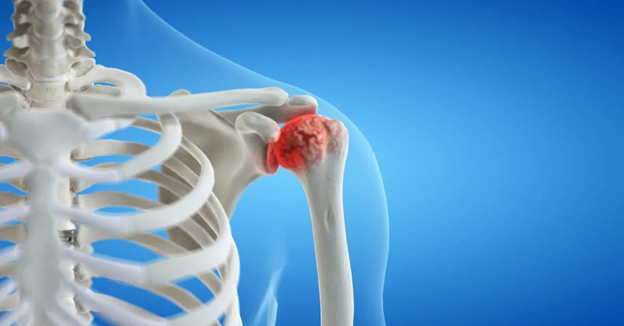
Some of these conditions can occur as a result of an injury or as a result of natural aging and degenerative wear of the joint. More specifically, osteoarthritis gradually wears away the smooth surface of the joint cartilage. This can progress to the point where there is severe friction between the bones due to the complete absence of cartilage. This happens when the cartilage has worn away completely on both the humeral side (ball) and the glenoid side (socket) so that the bone is entirely exposed on both sides of the joint. This causes significant shoulder pain and stiffness. The biological and chemical changes within the joint due to osteoarthritis are irreversible.

The expert Consultant Orthopedic, Shoulder Surgeon Mr. Polyzois offers joint preservation treatments to patients in Greece as an alternative solution to shoulder replacement surgery or arthroplasty. Joint preservation and cartilage restoration techniques allow patients to return to their activities more quickly.

Ο μόνος Ορθοπαιδικός στην Ελλάδα στην χειρουργική ώμου και άνω άκρου με προϋπηρεσία μόνιμης διευθυντικής θέσης (substantive Consultant ) για 10 συναπτά έτη στην Μεγάλη Βρετανία

What are joint preservation treatments?

The goal of the technique is to delay the progression of degenerative alterations of the shoulder. Surgery for shoulder arthritis and other degenerative shoulder conditions has historically been limited to joint replacement. However, patients who would like to delay shoulder replacement surgery can choose the joint preservation technique instead.

Listed below are specific treatments offered by Mr. Polyzois that can be performed individually or in combination to preserve the shoulder joint and delay the need for shoulder arthroplasty surgery as much as possible:

Extensive specialized arthroscopic joint debridement

Arthritis in the glenohumeral joint can be managed with minimal invasiveness using small 4 mm incisions and a small camera placed inside the joint. The surgeon uses specialized instruments to remove loose pieces of cartilage and “clean” the joint. Furthermore, the surgery typically includes the release of the joint capsule, removal of osteophytes, decompression of nerves, as well as the removal of the synovium that surrounds the joint and causes significant pain.

In several cases, Mr. Polyzois will also perform debridement of the subacromial space, acromioplasty, as well as debridement of the acromioclavicular joint and any other lesion or pathology that could cause further pain and stiffness in the shoulder. This procedure is ideal for patients with mechanical shoulder impingement and stiffness, and the presence of mild to moderate arthritis.

Microfracture technique

A surgical procedure that involves making microscopic holes in the bone that will “bleed” and release healing elements into the area of cartilage loss. These therapeutic elements present in the blood and deeper parts of the bone assist in the potential production of fibrocartilage or the stabilization of the existing cartilage defect with a new type of tissue that behaves like cartilage.

It is worth emphasizing here that these operations are completely bloodless and painless, take a short amount of time, the patient can remain awake during the surgery if they wish, and they are discharged from the hospital a few hours later. The total cost is quite affordable.

What happens after shoulder joint preservation?

Following surgery, patients wear a special sling and begin shoulder exercises immediately after the procedure. Mr. Polyzois and his team will implement an individualized physical therapy program that will help restore shoulder motion and increase strength.

Physical therapy, whether performed with the assistance of a specialist or on one’s own, is of paramount importance to help the shoulder joint regain movement, stability, and strength. Ultimately, patients return to their regular activities with a rapid and painless return of full shoulder function. Do not hesitate to contact the doctor and his team for further information.

Η κIνηση εIναι ζωH!

Επικοινωνήστε με τον γιατρό για εξειδικευμένη ορθοπαιδική φροντίδα, προσαρμοσμένη στις ανάγκες σας

Συχνές ερωτήσεις

How long does the result of such an operation last?

The duration of the result varies from patient to patient. The extent of the joint damage, the quality of the cartilage, daily strain, and strict adherence to the rehabilitation exercises all play a role.

Can I return to my work shortly after the surgery?

In most cases, returning to work is faster compared to more extensive operations. For office work, the return can happen within a few days, whereas for intense manual labor, 4 weeks are required.

When can I drive after shoulder joint preservation surgery?

Driving is permitted when the patient can safely control their arm without intense pain and without functional restriction. The exact timing is determined by the surgeon, and each case is individualized for the patient. Usually, the patient can drive after 3 to 5 days.

Will I be able to exercise after recovery?

In many cases yes, especially in mild or moderate intensity activities. The return to sports takes place gradually and is individualized, depending on the type of lesion and the surgery.

How important is age in choosing the right technique?

Age is a factor, but not the only one. Equally important are the activity level, the quality of the bone and cartilage, the symptoms, and the functional needs of the patient.