




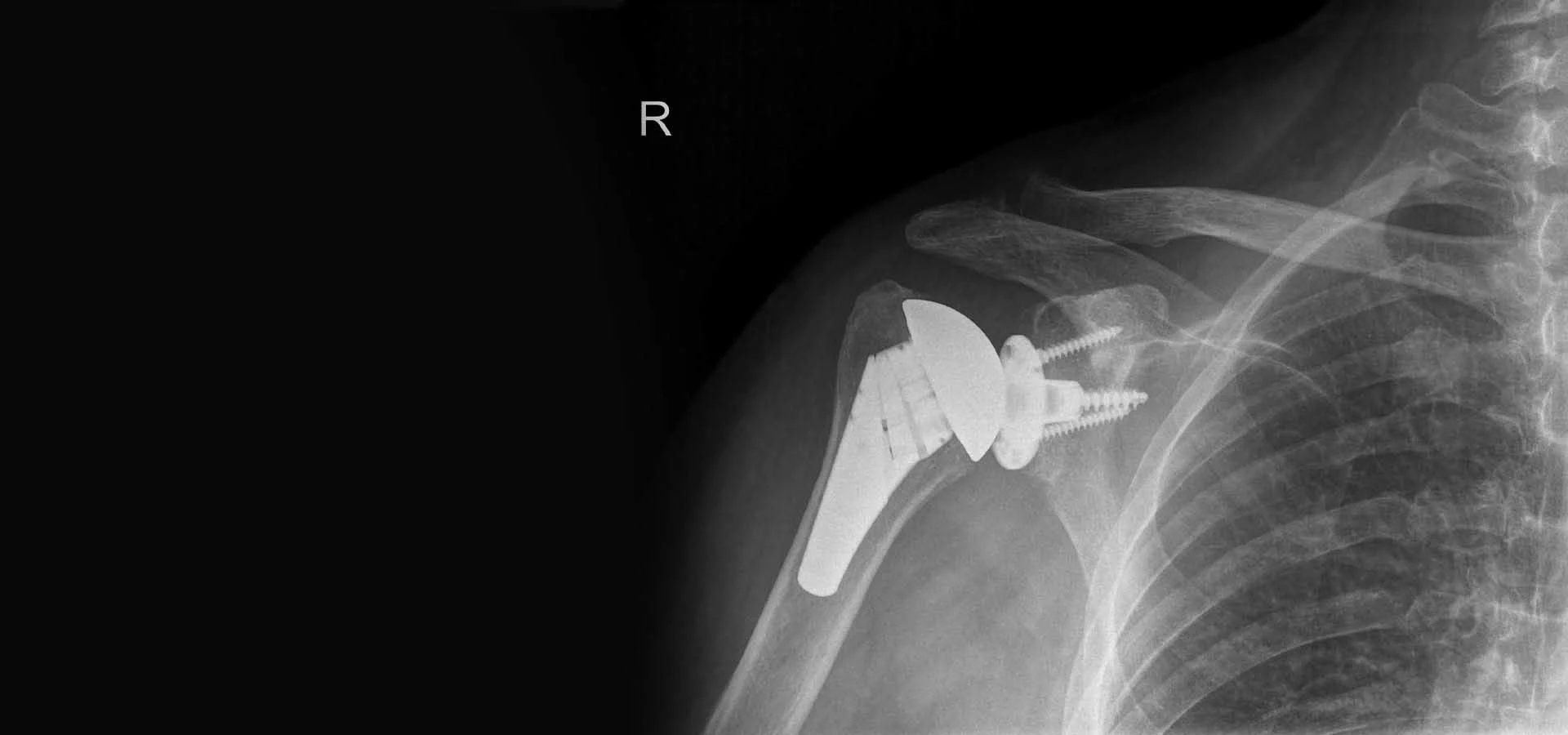
Total shoulder arthroplasty is a complex surgery that requires careful preparation before it is performed. Proper and appropriate preparation contributes to an effective and excellent recovery and to the minimization of risks and complications.
Below, we examine the steps you need to follow to prepare before a shoulder arthroplasty:
Total Shoulder Arthroplasty: Cooperation with your surgeon
The first and most important action before a total shoulder arthroplasty is cooperation and, above all, proper communication with the orthopedic surgeon. During the preparation, they will guide you regarding the procedures and provide information about the surgical technique, recovery, the importance of exercises, and expectations.
The most crucial factor is the choice of the surgeon, who must be officially certified and highly experienced in shoulder arthroplasty.
Diagnostic Tests:
Your orthopedist will guide you regarding the necessary examinations and diagnostic tests you must undergo before surgery. This includes specialized X-ray views, Magnetic Resonance Imaging (MRI), as well as a three-dimensional computed tomography scan (3D CT) for precise preoperative planning regarding the appropriate type, characteristics, and size of the new prosthesis, so we can implement what we call personalized shoulder arthroplasty.
Medical History and Medications: It is important to provide your orthopedist with a detailed medical history, as well as information about any medications you are taking. This specific information can affect the choice of local/regional anesthesia and post-operative pain management.
Total Shoulder Arthroplasty: Physical Therapy and Rehabilitation
Proper physical therapy is of crucial importance for a successful and excellent outcome of the surgery and contributes to a rapid recovery. Follow your surgeon’s instructions regarding exercises and the correct choice of a specialized shoulder physiatrist and physical therapist.
Overall, preparation before a shoulder arthroplasty is vital for the successful outcome of the surgery and the rehabilitation of the shoulder. By following your orthopedist’s instructions and preparing both physically and psychologically, you can help ensure a smooth and excellent recovery and healing.