




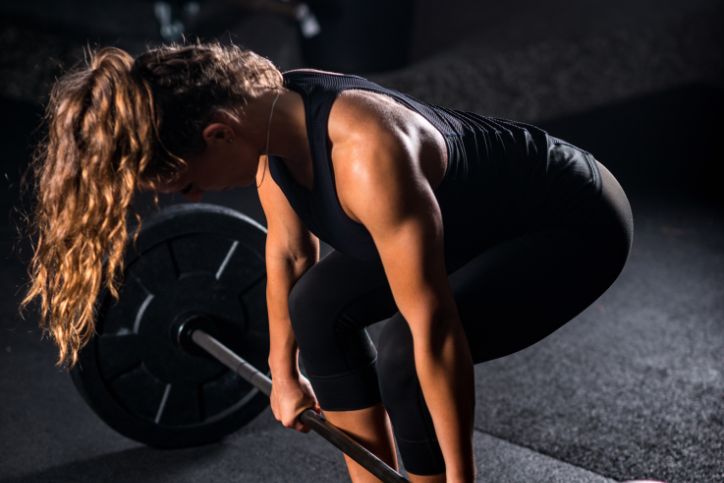
Shoulder arthroscopy constitutes a minimally invasive surgical method, particularly important for athletes facing injuries. Proper diagnosis, a specialized surgical approach, and disciplined rehabilitation are the key to a safe and effective return to sports. Dr. Ioannis Polyzois, Orthopedic Surgeon, possesses many years of experience in arthroscopic shoulder surgery, offering personalized solutions for the restoration of sports injuries.
Common Shoulder Injuries in Athletes
-
Athletes, particularly those participating in sports that require repetitive movements of the shoulder, such as tennis, swimming, and weightlifting, are prone to various injuries of the area. The most common injuries include:
- Supraspinatus tendonitis: Inflammation of the tendon due to overuse, common in throwers and swimmers.
- Shoulder impingement syndrome: Caused by the compression of the rotator cuff tendons, leading to pain and reduced mobility.
- Rotator cuff tear: Partial or full tear of the tendons, which can be caused by acute trauma or chronic irritation.
- Shoulder dislocation: Occurs when the humeral head exits the glenoid, common in contact sports.
- Shoulder instability: Looseness of the ligaments, which increases the risk of recurrent dislocation.
- Shoulder dislocation for the second time
What is shoulder arthroscopy in athletes?
Shoulder arthroscopy is a minimally invasive surgical method used for the diagnosis and restoration of injuries in the shoulder, particularly in athletes who subject the joint to intense strain. Through small incisions, a surgeon inserts an arthroscope (thin camera) and special tools to repair lesions, such as rotator cuff tears, shoulder instability, or labral tears.
This method offers significant advantages, such as a smaller incision, reduced postoperative pain, and faster rehabilitation, making it ideal for athletes who desire a quick return to their activity. However, the success of the operation depends on rehabilitation, which includes physical therapy and gradual reintegration into sports movements.
Rehabilitation of athletes after Shoulder arthroscopy
Rehabilitation after shoulder arthroscopy is critical for the full recovery of functionality and a safe return to sports activities. The rehabilitation process includes the following stages:
- Immediate postoperative period (0-4 weeks):
- The shoulder is immobilized with a brace (sling) for the protection of the joint.
- Mild passive movements under the guidance of a physical therapist.
- Pain control with ice and medication.
- Middle phase of rehabilitation (4-12 weeks):
- Gradual increase of movement and initiation of active exercises.
- Strengthening of the shoulder and scapular muscles for stability.
- Controlled sports movements without overloading.
- Final phase and return to sports (3-6 months):
- Advanced strengthening and proprioception exercises.
- Simulation of sports movements with controlled intensity.
- Return to activity when the shoulder has regained full strength and range of motion.
When the Return to Sports Activities takes place
The return to sports activities depends on the rehabilitation of the injured area, the severity of the injury, and the progress of the treatment. General guidelines include:
- Minor injuries (such as mild muscle injuries or a sprain): Usually, about 1-3 weeks of recovery are required before the return, provided there is no pain, and the area is fully functional.
- Moderate injuries (such as tendonitis or a small rotator cuff tear): Rehabilitation can last from 4-8 weeks, with a progressive increase in exercise intensity and monitoring of shoulder functionality.
- Serious injuries (such as a large rotator cuff tear or shoulder dislocation): The return may require 3-6 months, with gradual reintegration into sports movements, and requires strict physical therapy to ensure the correct recovery of strength and mobility.
If you are facing an injury or a serious trauma to the shoulder and desire an immediate and safe return to your sports activities, Dr. Ioannis Polyzois can guide you with the correct diagnosis and personalized treatment, ensuring your fastest rehabilitation.