




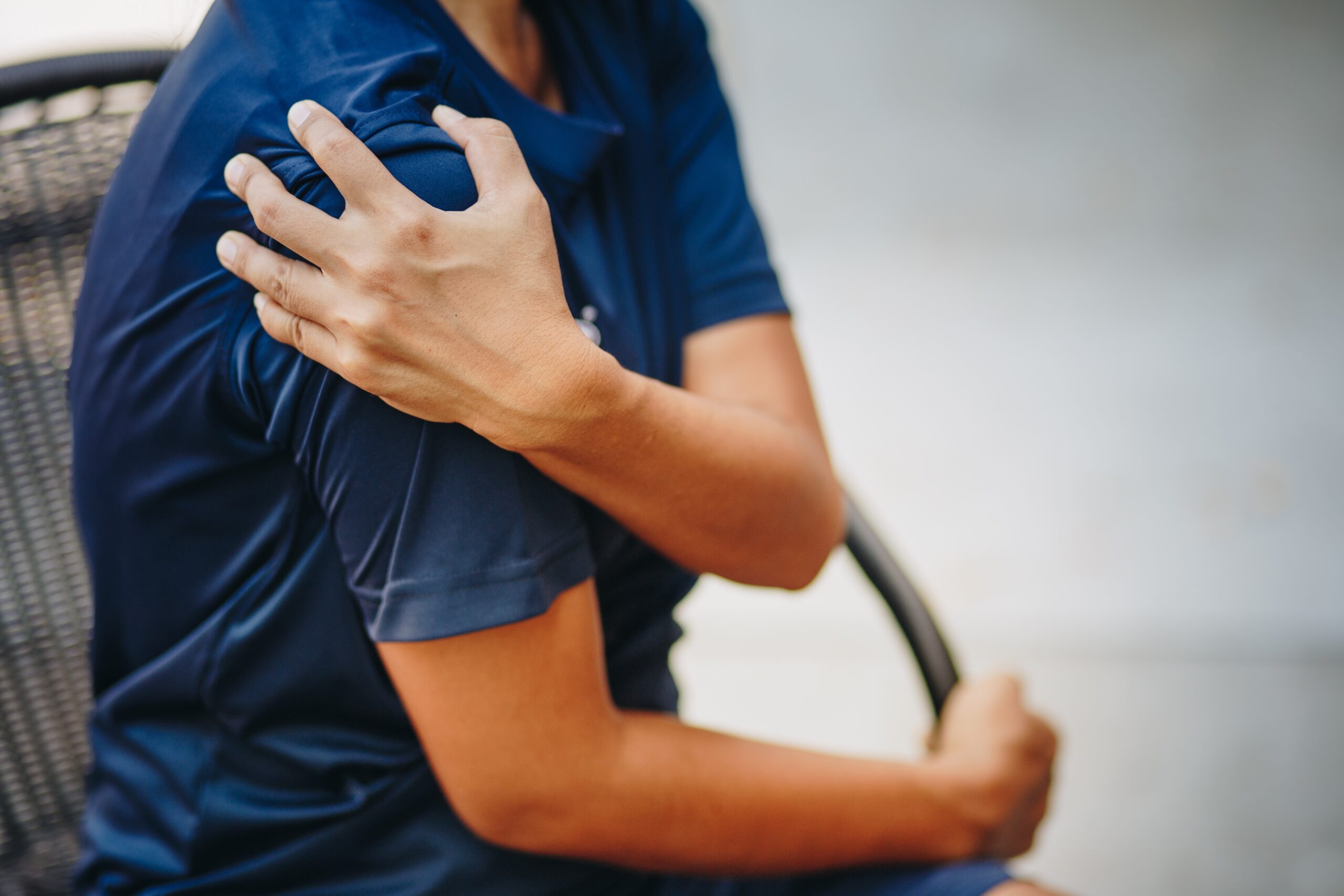
The shoulder joint is an extremely complex and sensitive biomechanical structure, responsible for the greatest range of motion in the human body. However, this complexity makes it vulnerable to conditions that can literally paralyse our daily life. One of the most painful, sudden, and often misunderstood conditions of the region is Calcific Tendinitis of the Shoulder.
As an Orthopaedic Surgeon, my medical philosophy is not based on quick conclusions. I approach every symptom and every condition as a researcher. I am sceptical by nature towards obvious answers, and I double-check every imaging examination and every clinical finding. I know well that in medicine, I am not always infallible at first glance — and neither should you, as patients, rely on the first internet search. Both of us, doctor and patient, must seek the absolute accuracy and the truth that lies behind the pain.
In this exhaustive and fully documented guide, we will place Calcific Tendinitis “under the microscope”. We will analyse the mechanism by which it develops, the causes, its dramatic symptoms, and the most modern, definitive solutions that medicine offers, from conservative management to advanced arthroscopy.
What exactly is Calcific Tendinitis?
To understand the disease, we must look inside the shoulder. The shoulder moves and is stabilised thanks to a group of four important tendons, the well-known rotator cuff. The most important and most often overstressed of them is the tendon of the supraspinatus muscle, which passes through a narrow tunnel (the subacromial space) before attaching to the bone.
Calcific Tendinitis is a condition in which crystals of calcium salts (mainly calcium phosphate) form and accumulate within the very mass and fibres of these tendons. This condition has absolutely no relationship with your diet, your intake of calcium from dairy products, or osteoporosis. It is a localised, biological, and chemical process of “metaplasia”, where the cells of the tendon begin, erroneously, to behave like cells producing bone. This accumulation creates a foreign body inside the tendon, which, depending on the phase it is in, resembles in texture either hard chalk or thick toothpaste. This foreign body causes extreme inflammation, swelling of the tendon, and mechanical friction (catching) against the bones during movement.
How and Why Does the Calcium Form? (The 3-Stage Cycle)
Calcific tendinitis is not a static condition. It follows a very specific biological cycle (known in medicine as Uhthoff’s cycle), which explains why the pain appears so suddenly. This cycle is divided into three main stages:
Pre-calcific Stage
In this early stage, due to micro-injuries or reduced blood supply (hypoxia) in the area of the tendon, the normal cells of the tendon (tenocytes) begin to transform into cells resembling cartilage (fibrocartilaginous metaplasia). In this phase, there is no real calcium, and the patient is usually completely asymptomatic. You feel no pain.
Calcific Stage
This is the stage where calcium begins to be deposited. It is divided into two sub-phases:
Resting Phase: The calcium has formed and resembles hard chalk. The patient may feel a slight discomfort or “catching” in the shoulder, but the pain is tolerable. The condition may remain in this phase for months or even years.
Resorptive Phase: This is the most critical and painful phase. For unknown reasons, the body’s immune system “wakes up”, recognises the calcium as a foreign body, and launches a massive inflammatory attack to dissolve and absorb it. The calcium is transformed into a liquid, viscous mass (like toothpaste) under enormous pressure within the tendon. This chemical inflammation causes one of the most acute, dramatic, and unbearable pains in orthopaedics.
Post-calcific Stage
If the body manages to fully absorb the calcium (something that does not always happen), the tendon enters the phase of healing. New fibroblasts rebuild the tendon. The pain gradually subsides and the shoulder returns to its normal function.


