
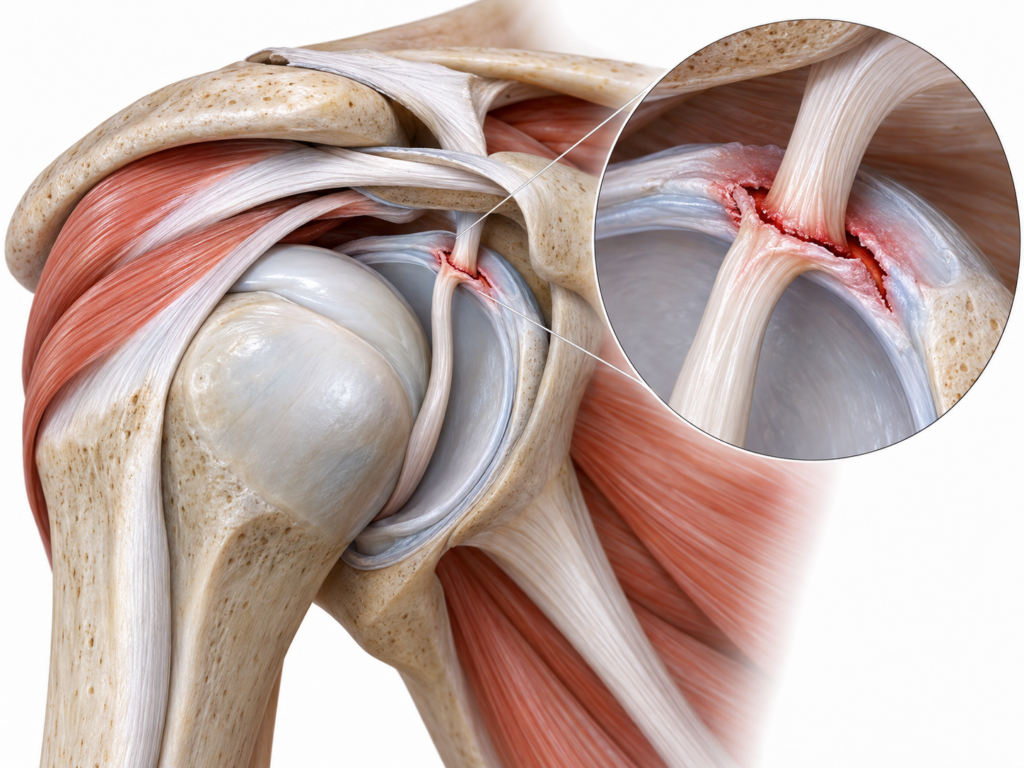


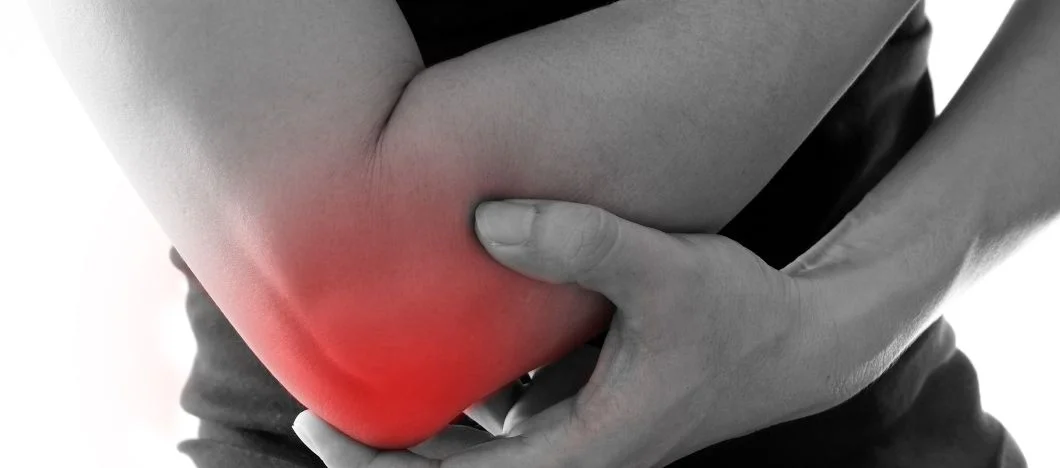
Elbow pain can range from the burning sensation experienced due to elbow tendinitis (lateral or medial epicondylitis) caused by an inflamed tendon, to the severe and acute pain of a fracture. The pain may not be continuous. It can worsen gradually depending on the activity. Sometimes, the pain is combined with numbness and tingling in the fingers.
Elbow pain can have many different causes. For this reason, it is important to see a specialized physician for a comprehensive evaluation. An accurate diagnosis is the key to a correct and effective treatment.
What causes elbow pain?
Elbow tendinitis, otherwise known as epicondylitis, is by far the most common and frequent cause of elbow pain and is due to repetitive activities and micro-injuries in the area. It is divided into two categories:
Lateral Epicondylitis
Also called tennis elbow, this is the most common cause of elbow pain. It occurs when the common tendon connecting the elbow joint to the muscles of the forearm and the tendons that extend the fingers and the wrist become severely inflamed. The pain is localized on the lateral (outer) surface of the elbow.
People who extend their wrist repeatedly in the same manner are prone to this condition. This frequently includes athletes, individuals performing heavy manual labor, as well as people who work long hours at a computer desk.
The pain arrives gradually. It worsens when the patient straightens their elbow, extends their fingers, and lifts weights. Activities such as turning a key and computer use trigger this type of pain. In late stages, lifting even small objects is particularly difficult and painful.
Medial Epicondylitis
This condition is sometimes called golfer’s elbow. It causes pain close to the joint, on the inside of the elbow, right in front of or behind the medial epicondyle.
The cause is inflammation of the tendon that connects the elbow bone to the muscles used for flexing the wrist and fingers. It occurs when the patient uses force to grip an object such as a golf club, a racket, or a tool while performing heavy manual labor. Chronic repetitive use, strain, and micro-injuries lead to epicondylitis. This condition can also weaken the muscles in the forearm.
Other potential causes include:
Olecranon Bursitis
The bursa is a fluid-filled sac-cushion located between the tip of the elbow bone and the skin. Bursitis causes swelling and tenderness behind the joint. If the area swells significantly, the patient is unable to move their elbow fully.
This condition can appear suddenly as a result of gout, an infection, or an injury to the elbow. Bursitis can also worsen over time, frequently due to overuse or long-term pressure on the elbow. Sometimes it is associated with inflammatory arthropathies, including rheumatoid arthritis.
Biceps and Triceps Tendinitis
The biceps tendon connects the biceps muscle to the front part of the elbow bone. The triceps tendon connects the triceps muscle to the back part of the elbow bone.
Biceps tendinitis is frequently caused by repetitive use of the biceps muscle; continuous flexing with heavy objects is one example. It causes pain on the anterior (front) surface of the elbow.
Triceps tendinitis causes pain at the back of the elbow. It occurs when people straighten their elbow under resistance repeatedly. Patients who lift weights frequently are prone to this type of injury.
If a biceps or triceps tendon ruptures, there is sudden, severe pain in the elbow and forearm. The anterior or posterior surface of the elbow may bruise and swell, respectively, accompanied by intense pain and severe weakness.
Ulnar Neuritis
The ulnar nerve travels from the neck to the hand. Sometimes, the nerve becomes compressed as it passes through the inside of the elbow (cubital tunnel).
This condition causes pain on the inside of the elbow. The patient may also feel numbness in the fifth (little) and fourth (ring) fingers. Some people experience a weak grip and intense pain in the forearm.
Elbow Fracture and/or Dislocation
A significant fall onto your elbow or hand can cause a fracture (break) in the bone. The most common elbow fractures involve the olecranon and the radial head. Symptoms may include:
- Sudden, severe pain in the elbow and forearm
- Swelling
- Numbness and tingling in the hand
- Inability to bend and straighten the elbow
An elbow dislocation is uncommon. It can happen if the patient falls onto an outstretched hand on the ground. When the hand hits the ground, the force can twist the elbow out of its socket. In other words, the elbow bones separate.
A dislocation frequently causes:
- Elbow deformity
- Swelling
- Bruising
- Numbness and tingling of the hand
Other significant but less common causes of elbow pain include:
- Arthritis – narrowing of the joint space and loss of cartilage in the elbow
- Elbow infection (Septic Arthritis)
- Cervical disc herniation
- Osteochondritis Dissecans
- Shoulder Conditions
Risk factors
- Frequent and continuous micro-injuries to the elbow
- Daily repetitive movements of the wrist, such as the frequent use of a computer for many hours
- Intense sports activities without a proper warm-up
- Inappropriate technique or poor body-core posture during sports or any type of work, especially desk work
- Heavy manual labor involving repetitive weight lifting
- Conditions such as uncontrolled diabetes mellitus, rheumatoid arthritis, or gout
- A significant injury to the elbow, which was either not diagnosed promptly or was completely misdiagnosed from the very beginning
Symptoms of Elbow Pain
The following symptoms warrant an immediate evaluation of your elbow by Mr. Polyzois:
- Inability to carry items or use your arm
- An injury that deforms the shape of the joint
- Elbow pain at night or at rest
- Inability to bend or straighten the elbow
- Swelling or bruising around the elbow
- Signs of infection, including fever, redness, and increased temperature in the joint
Diagnosis
Mr. Polyzois will evaluate you at his clinic as a highly experienced, specialized, and officially certified elbow surgeon. Before examining the elbow, the doctor will take a specific, targeted medical history to better understand your pain. Common questions include:
- When did the pain start?
- What type of sports or occupational activities do you perform?
- Did you have a fall or an injury to the elbow?
- Do you have other symptoms such as numbness, swelling, or a fever?
Questions regarding symptoms can help identify the cause. For instance, numbness can sometimes mean a nerve is involved. Swelling indicates inflammation, and a fever is a sign of infection.
Subsequently, Mr. Polyzois will examine the elbow and hand very carefully. The orthopedic surgeon will also perform a neurological examination of the elbow and hand.
Imaging Examinations
You may need imaging examinations to confirm the diagnosis for your elbow pain.
- Plain X-rays: Essential for diagnosing a fracture or dislocation, and for visualizing arthritis, heterotopic ossification, loose bodies, and calcium deposits in the tendons.
- CT Scan: Images the architecture of bone structures in great detail and is an integral part of preoperative planning when dealing with a fracture or arthritis, among other conditions.
- MRI: The modality of choice as it images all structures of the elbow, providing the doctor with a clear picture of all tendons, muscles, nerves, adjacent tissues, and soft tissues.
Management of Elbow Pain
Your treatment depends on the diagnosis. Therefore, it is important to know the cause of the pain before starting any treatment.
Rest
The first treatment for many common elbow conditions is resting the joint. Rest allows the inflammation to subside. In any case, prolonged immobilization should be avoided, as the elbow is particularly prone to premature and severe stiffness.
Avoid activities that trigger or worsen your elbow pain. Repetitive movements, excessive pressure, and weight lifting can aggravate certain conditions.
Ice Therapy
Ice therapy is frequently used to treat elbow pain, particularly epicondylitis and olecranon bursitis. It is very useful in the early stages.
Apply ice to your elbow for 15 to 20 minutes, three to four times a day. It is also a good idea to apply ice to your elbow for 15 minutes after actively using your arm. Remember to place a towel between the ice pack and your skin.
Medications / Injections
Non-steroidal anti-inflammatory drugs (NSAIDs) for pain are frequently used to treat the condition. They are typically prescribed for arthritis and tendinitis.
Injections of platelets and growth factors with healing properties can also treat the inflammation. For example, an injection is sometimes performed in biceps tendinitis to alleviate pain, inflammation, and swelling. It can also be used for epicondylitis/bursitis that does not improve after three to six weeks of other treatments.
Surgery
Certain conditions require surgical intervention. Elbow fractures, dislocations, and recurring epicondylitis are managed with elbow arthroscopy or a minimally invasive technique.
Elbow arthroscopy and the newer, more modern techniques in the hands of Mr. Polyzois are the best choice for the patient. In this manner, the majority of these conditions are definitively and effectively treated. It is a bloodless and painless method lasting 30 minutes, performed as a day surgery with same-day discharge and rapid recovery.
Physical Therapy and Exercises for Elbow Pain
Stretching Exercises
Stretching the muscles and tendons around the elbow joint can prevent stiffness and improve flexibility. Working with a specialized physical therapist or an occupational therapist is very important so the patient can learn the correct way to stretch based on their condition.
Physical Therapy
Physical therapy is an important part of the treatment plan. It usually begins once the acute pain subsides.
Physical therapists utilize different methods to build strength and mobility, helping patients return to their normal activity level. In addition to strengthening the forearm muscles, physical therapy can help prevent future injuries or pain.
Exercises
First Exercise
Extend the painful arm out in front of you, and using your healthy hand, gently stretch your wrist downward. Hold it there for about 10 seconds.
Do the same in the opposite direction, stretching your wrist upward. Hold it there for 10 seconds.
Perform this stretching routine for 3 minutes total, alternating between stretching the wrist downward and upward. Repeating this stretch three times a day will soon yield improvement.
Second Exercise
Strengthening exercises for the forearm muscles while they are lengthening (eccentric exercises) will also prove particularly helpful. You can use a flexible bar to perform this exercise.
- Hold the elastic bar with the affected hand straight out in front of you.
- Place your healthy hand on top and twist the elastic bar downward until your hands are parallel to the floor.
- Allow the tension of the bar to gently untwist your hand until the bar is straight again.
- Twist and allow the bar to rotate your hand again.
Perform this exercise four times a day for 20 repetitions each time.
Many patients may not give much thought to the elbow because it is not a weight-bearing joint like others, and because it does not frequently develop arthritis or routinely require total replacement. However, elbow pain can prevent you from dressing, cooking, and doing anything else that requires the use of your hand. Taking care of this joint is therefore essential so that you can enjoy your daily professional and athletic activities without pain and restrictions.
Prevention of Elbow Pain
- A good warm-up before any athletic activity. Sudden contraction of muscles that have not reached the proper operating temperature is the most common cause of injury.
- Stretching exercises for the forearm muscles before exercise also protect against the onset of an injury.
- Utilizing alternative pain-free movements for the same functional goal, using the muscles of the shoulder girdle more and the forearm muscles less.
- Proper body-core posture and muscle strengthening of the surrounding area.
- Improving technique in sports such as tennis, using high-quality athletic shoes, making the correct choice of racket grip thickness, and using the right size and weight of racket.
- Choosing lighter tools with a more ergonomic grip handle for professionals engaged in heavy manual labor.